If you own or manage a commercial kitchen in Sydney, you know that the smell of delicious food is part of the magic. But behind every culinary masterpiece lies a hidden, often sticky, element: grease. This buildup isn't just an aesthetic issue; it represents a serious fire hazard, a major health risk, and a compliance nightmare if ignored. For many restaurateurs, the question of how often do restaurants in Sydney need range hood cleaning? can feel overwhelming, leading to guesswork or, worse, complacency. The truth is that the answer is not a simple calendar date, but a dynamic equation based on your operation, your equipment, and the laws of physics. This comprehensive guide will demystify the science of commercial ventilation, outlining the crucial factors that determine the necessary frequency of professional deep cleaning, ensuring your Sydney establishment operates safely, efficiently, and deliciously.
The Science Behind the Shine: Why Range Hood Cleaning Is Non-Negotiable
Range hoods and associated ventilation systems are designed to capture smoke, steam, and airborne particulates. When these systems fail to perform, the accumulation of grease and carbon deposits doesn't just sit there—it becomes a highly combustible fuel source. Understanding this fundamental risk is the first step toward proactive maintenance.
What Are the Dangers of Neglected Hoods?
The materials found in a commercial kitchen—oil, fat, and carbon—are the perfect triad for a devastating fire. Grease buildup, often described as a "slow-motion time bomb," can ignite from a simple electrical spark or a pilot light. The resulting fire is intense, spreads rapidly, and can threaten not only the kitchen but the entire building.
Beyond the immediate fire hazard, there are critical health concerns. Grease filters and ductwork can harbor bacteria, creating an unsanitary environment. Furthermore, poor ventilation compromises air quality, which can lead to staff fatigue and operational inefficiencies. As one safety expert noted, "Neglecting ventilation is like running a marathon with a clogged airway—eventually, you simply cannot breathe."
Understanding the Grease Composition
Grease is not monolithic. It is a complex mixture of polymerized oils, burnt food particles, and airborne contaminants. When this mixture cools, it hardens and adheres to every surface, acting like industrial adhesive.

- Carbon Deposits: These are the black, sooty residue that sticks to the metal surfaces. They are highly flammable. Grease Filters: These are the primary collection points. If not removed and cleaned regularly, they become saturated and brittle. Ductwork: This is the most critical area. Since the grease within the ductwork is often invisible until it’s too late, professional cleaning is paramount. It's not enough to just clean the visible parts; the entire system must be treated.
Determining the True Cleaning Cadence for Sydney Eateries
While basic recommendations might suggest quarterly cleaning, a one-size-fits-all approach is dangerous. The frequency required is a calculation involving usage intensity and the type of cooking performed.
Factors Affecting Your Cleaning Schedule
The culinary profile of your restaurant is arguably the biggest determinant of your cleaning needs. Consider these key variables:
- Cuisine Type: A high-volume Indian restaurant, which uses deep frying and heavy spices, will accumulate grease at a vastly different rate than a cafe specializing in salads and light breakfast fare. High-heat, deep-frying establishments require more rigorous cleaning than those that merely steam or bake. Volume and Hours of Operation: A restaurant running a full 12-hour shift at peak capacity every single day will generate far more waste and grease than one that operates only during lunch rushes. Equipment Usage: The type of cooking equipment used—especially items that generate high volumes of smoke (like wok stations)—will dictate the severity of the buildup.
Compliance and Sydney’s Regulatory Landscape
Compliance is not optional; it is the law. Sydney's local councils and fire authorities maintain strict guidelines regarding commercial fire prevention. When considering how often do restaurants in Sydney need range hood cleaning?, the answer must always align with local regulations.

If your system fails an inspection because of visible grease buildup, you risk immediate closure and hefty fines. Understanding local codes is not just about avoiding trouble; it's about protecting your business continuity. Isn't the peace of mind that comes with a clean, compliant system worth every dollar spent on preventative maintenance?
Proactive Care: Beyond the Annual Deep Clean
Professional deep cleaning is mandatory, but it should be viewed as part of a continuous maintenance cycle, not a standalone event. Think of it like dental hygiene—brushing and flossing are daily tasks, while the dentist visit is the deep clean.
Daily and Weekly Owner Responsibilities
While the professionals handle the heavy lifting, the management team must maintain a culture of cleanliness. These smaller, daily actions prevent the problem from snowballing into a crisis:
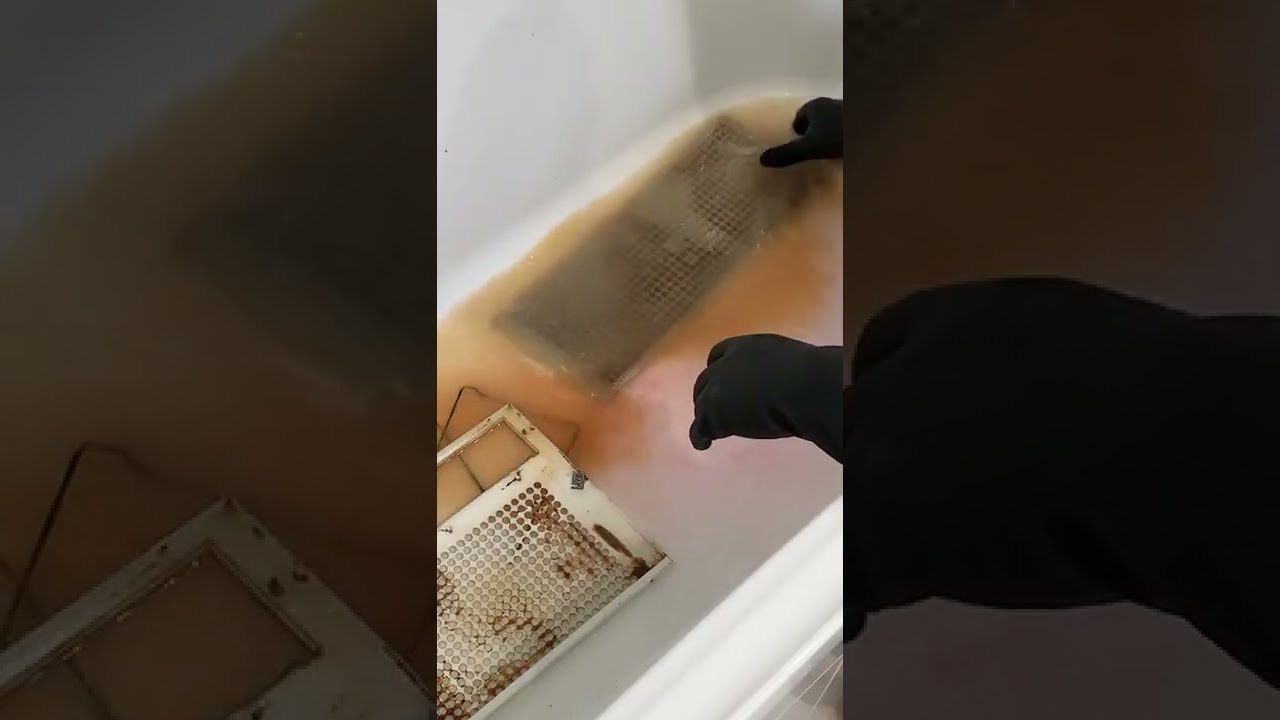
- Daily: Cleaning visible filters and removing large debris. Weekly: Wiping down hood surfaces, checking for visible leaks, and ensuring grease traps are functioning correctly. Monthly: Conducting a thorough visual inspection of the ducts and hood structure for early signs of buildup.
Selecting the Right Professional Partner
Choosing a cleaning service is like hiring a trusted partner—you need expertise, not just elbow grease. A reputable service will not simply spray cleaner and leave; they will perform a full system assessment. They should be able to answer the question, "Based on your operation, what should our cleaning schedule be?"
If a service provider gives you a vague, one-size-fits-all answer, proceed with caution. A true expert will treat your unique kitchen setup like a puzzle, ensuring the recommended schedule is robust enough to handle your specific cooking demands.
Building a Safety Culture for Longevity
Ultimately, the goal of meticulous cleaning is not just compliance; it is ensuring the longevity and safety of your business. A well-maintained ventilation system is the circulatory system of your kitchen—if it clogs, the whole body suffers.
We live in a world where kitchen equipment is incredibly sophisticated, but even the best technology can be undone by simple neglect. If you treat your ventilation system as an afterthought, you are gambling with your livelihood.
How can a single, overlooked grease trap lead to a multi-million dollar loss? It's a sobering thought that underscores the necessity of regular, professional intervention.
By integrating routine maintenance into your operational budget, you are investing in risk mitigation. By treating the cleaning process not as a cost, but as a critical insurance policy, you safeguard your staff, your customers, and your reputation.
Prioritizing Safety: Ensuring Your Kitchen Runs Smoothly
To summarize the essential takeaways: while the general guideline for how often do restaurants in Sydney need range hood cleaning? is highly variable, most high-volume, deep-frying establishments should plan for professional deep cleaning at least quarterly, if not more often. However, never rely on general advice; let your service provider conduct a detailed assessment tailored to your specific cuisine and https://joyceywzqi.raindrop.page/bookmarks-72356268 operational tempo.
By making preventative maintenance a pillar of your kitchen management plan, you move beyond simply meeting compliance standards. You are elevating your operation to a level of professionalism and safety that keeps the focus where it belongs: on the incredible food you serve. Start the conversation with a professional today, and let them determine the perfect rhythm for your unique kitchen environment.